


By Eurohoops team / info@eurohoops.net
hese dynasties, which have evolved over the years, boast top rosters, stable finances, and massive fan bases across the continent. However, in the summer of 2025, another crop of contenders is emerging with the desire to challenge the status quo. Bold investment, strategic signings, and new structures are changing the competitive picture of European basketball, as Valencia Basket, Hapoel Tel Aviv and the newly-admitted Dubai club are rewriting the rules of the game.
This tectonic shift occurs at a time when the sport itself is undergoing a broader transformation. As the EuroLeague format expands, as club basketball becomes more global and as there is more commercial interest in international markets, these ambitious organizations are hoping to take advantage of a once-in-a-generation opportunity. They are on the rise not only because they are dislodging positions, but also because they will turn out to be a changing of the guard that may re-map what it means to be elite in European hoops.
In other niches of online entertainment, including online blackjack, one can also notice the desire to try something new and unexpected, as well as competitors that are similar to the underdog spirit being formed on the basketball court.
Valencia’s Tactical Reinvention and Talent Bet
Valencia Basket has been on the fringes of the EuroLeague for years, a team that has been swinging between its great games and phases of instability. However, this off-season will be a new beginning. A new-look front office and an aggressive transfer policy have seen Valencia stop being satisfied with mediocre results in the middle of the table. Their more recent transfers demonstrate that philosophy is changing to younger, more dynamic players who can play a high-tempo, switch-heavy style that has become the norm in top-level teams.
They have increased their spending on player development and analytics. Off the pitch, Valencia is developing one of the most advanced training infrastructures in Europe, blending old-fashioned scouting with performance statistics. This mixed model has enabled them to tap into untapped potential in the Balkans, Italy, and the French Pro A league, creating a team that is both athletic and disciplined tactically.
They might be missing the star power of specific competitors. Still, the overall chemistry and versatility of the Valencia players could make them a sleeper team in the next EuroLeague season. Provided that they discover rhythm early in the season, they might become not only playoff contenders but a serious threat to make it to the Final Four.
The Symbolic and Strategic Rise of Hapoel Tel Aviv
The most emotionally powerful narrative of this new frontier is perhaps the ongoing ascent of Hapoel Tel Aviv. The team has faced adversity after being forced to relocate to Sofia due to regional tensions. This step has been accompanied by massive fan support both in Israel and the rest of the world, and the club has taken this opportunity to redefine itself as a global ambassador of resilience, creativity, and cultural pride.
Hapoel has redoubled its efforts to adopt a team-first, attacking approach on the court. They have compiled a list of two-national players, former star veterans, and young European players who view Hapoel as a stage and a platform. Their summer acquisitions demonstrate that they do not just want to survive in the EuroLeague – they want to thrive.
The coaching staff of Hapoel, who had already earned a reputation for using unconventional, yet successful sets, has embraced the turmoil of relocation as a source of motivation. The players have developed a special chemistry that transcends borders. Provided that the same energy can be transferred to the court, Hapoel may well break the top echelon and become a permanent feature in the playoff bracket.
Dubai’s Ambitious Entrance into the EuroLeague Arena
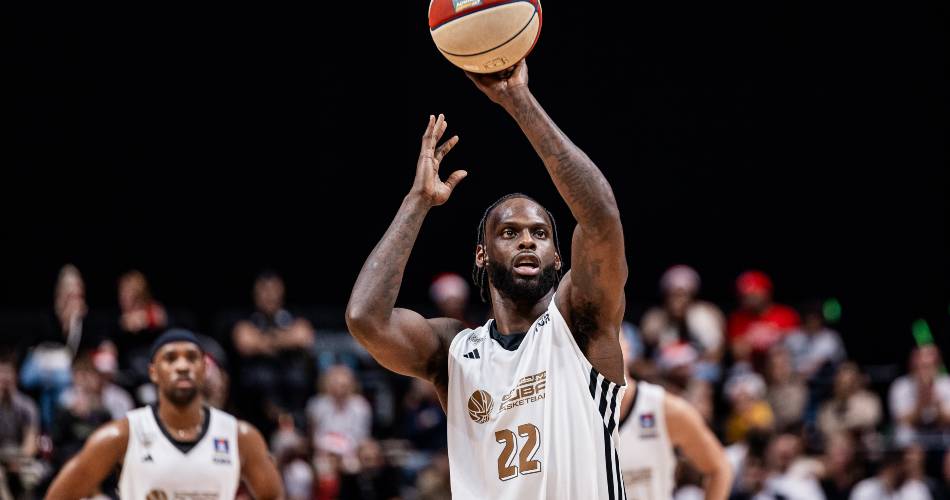
The most attention-getting new team in the EuroLeague this year is doubtless the Dubai Basketball Club. They have controversially entered the competition in certain quarters but have no doubt changed the game. Supported by substantial financial means and an expanding domestic fan base, Dubai’s entry marks the first significant expansion of the league to the Gulf region, a move with considerable commercial and geopolitical implications.
Dubai is not setting its sights on the league with humble expectations. They have compiled a team with ex-NBA stars, Elite European scorers and potential high-ceiling players in Asia and Africa. The club has also employed a globally experienced coaching team and has spared no expense in designing a training and entertainment facility to match any in the world.
Critics will continue to argue that Dubai’s rise is not organic, but rather financial; however, the results will ultimately determine the perception. As long as the team is capable of performing competitively, particularly against old clubs, it would earn them a long way in terms of validating their existence in the league. Moreover, their participation will likely increase the number of EuroLeague viewers, attracting new fans, sponsors, and media contracts in a previously unexplored territory.
Changing the EuroLeague Hierarchy
The arrival of new clubs is not the only reason why this moment is so compelling; it could be because the EuroLeague hierarchy is no longer set in stone. These new contenders have other models of expansion: Valencia, with its data-driven reinvention, Hapoel, with its emotional and cultural revival, and Dubai, with its massive investment in infrastructure and international branding.
The established giants are not dying out, but they are being pushed to change more rapidly than before. Legacy clubs now have to compete with other ambitious organizations that are not burdened by the past, but they are hungry to create the future.
It is being followed with trepidation by fans in Europe. Will they be new players who will improve the quality of the competition, or will they destabilize the balance too soon? Will they make it to the Final Four, or will the reality of experience and chemistry put off their ascent?
The answers to those questions lie only in time. What is certain, however, is that the 2025-26 EuroLeague season will not only be a match of sides, but a confrontation of ideologies, geographies and aspirations. And that is possibly the most significant development to have occurred in European basketball in years.